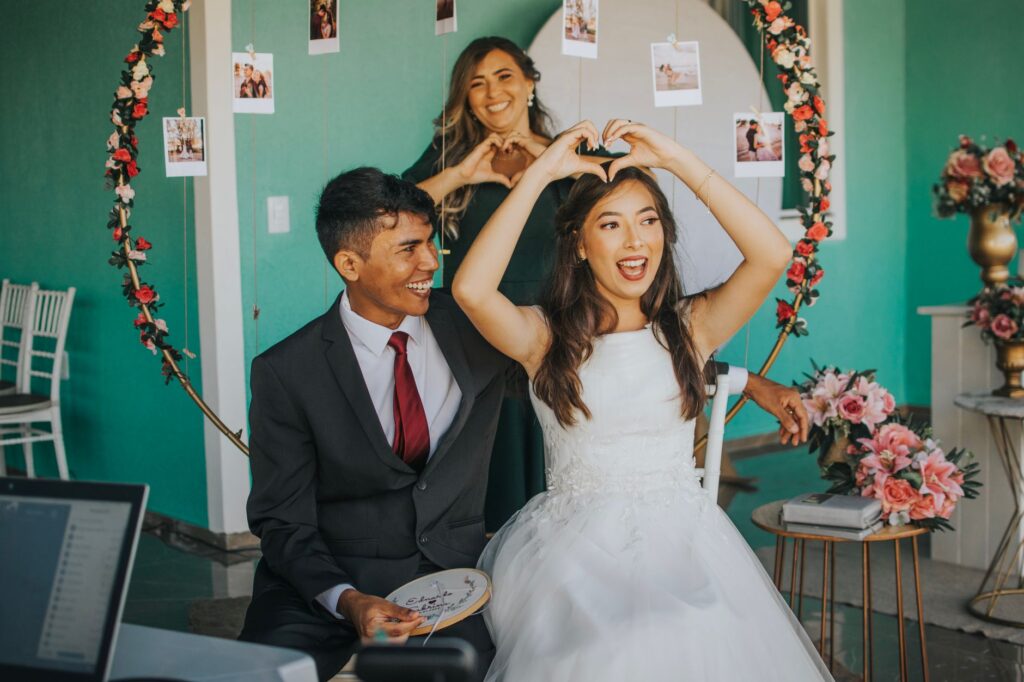
A bride and groom standing in golden hour light, confetti frozen mid-fall, tears on a mother’s cheek during the first dance. Those moments feel impossible to recreate once they’re gone. But what if you never had a photographer at the wedding at all, or the photos you did get were blurry, badly lit, or simply lost?
AI image generation has quietly become a serious solution for couples and event planners who need beautiful visuals without the traditional photography budget, the perfect conditions, or even the actual event having happened yet. Whether you’re planning a wedding, a corporate gala, a quinceañera, or a milestone birthday, AI tools can generate stunning, emotionally resonant imagery that serves a real purpose. This isn’t about replacing human photographers entirely. It’s about understanding where ai wedding images and event visuals fit into the picture now, and using that knowledge to your advantage.
Why People Are Turning to AI for Wedding and Event Visuals
Photography at weddings costs an average of $2,500 to $5,000 in the United States, and that’s before prints, albums, or second shooters. For smaller events or couples eloping abroad, the logistics alone can make professional photography a headache. Add in unpredictable weather, shy guests, and the reality that some of the most emotional moments happen when no camera is pointing at them, and it becomes obvious why event photo ai is becoming a legitimate creative option.
Beyond cost, there’s the question of planning. Many couples want to visualize their wedding aesthetic before the big day. They want to see how a burgundy bouquet looks against an ivory gown, or how a candlelit barn venue would photograph at night. AI image generation tools let you preview these combinations with remarkable accuracy. You’re not just looking at mood boards made of other people’s weddings. You’re generating custom wedding visuals ai that reflect your specific vision.
And then there are the practical situations nobody likes to admit: the photographer who lost the memory card, the ceremony where only smartphone cameras were allowed, the destination wedding where budget cuts meant no professional documentation. In all of these cases, AI-generated imagery can fill gaps that simply can’t be filled any other way.
Choosing the Right AI Tool for the Job
Not every AI image generator is built for the emotional specificity that weddings and events demand. You need tools that handle faces well, render fabric textures accurately, and can interpret complex scene descriptions. As of 2024, the top contenders are Midjourney, DALL-E 3 (via ChatGPT), Adobe Firefly, and Stable Diffusion with custom fine-tuning.
Midjourney excels at cinematic, editorial-style images. If you want something that looks like it belongs in a wedding magazine, Midjourney is frequently the fastest path there. Its ability to handle lighting nuances, like the warm spill of candles on a reception table, is genuinely impressive.
Adobe Firefly integrates directly into Photoshop, which makes it ideal for professionals who want to blend AI-generated elements with real photos. If you have a handful of decent wedding snapshots and want to transform them into polished, cohesive gallery images, Firefly’s generative fill and extend features are genuinely powerful for that workflow.
DALL-E 3 handles natural language prompts extremely well, making it accessible to couples who don’t have design backgrounds. You can describe a scene in conversational terms and get a coherent result without learning a specialized prompting vocabulary.
Stable Diffusion, with the right fine-tuning and LoRA models trained on wedding photography, gives you the most control if you’re technically inclined. Some studios are even training custom models on specific couples’ photos to generate consistent likenesses across multiple images.
Crafting Prompts That Capture the Emotion of Real Moments
The difference between a generic AI wedding photo and something that actually moves people usually comes down to the prompt. Vague instructions produce vague images. Specific emotional details produce images worth printing and framing.
Instead of typing “wedding couple outdoors,” try something like: “A couple sharing their first dance in a softly lit barn, string lights overhead, the bride in a flowing ivory gown with lace sleeves, the groom in a navy suit, they’re laughing mid-spin, warm golden tones, shallow depth of field, photorealistic, shot on 35mm film.” That level of detail gives the model enough to work with.
When generating ai celebration images for events like birthdays or corporate galas, think about the emotional core of the moment. Is it the surprise? The toast? The chaos of a dance floor at 11pm? Feed those specifics into your prompt. Include the setting, lighting, the number of people visible, their approximate arrangement, and the mood you’re going for. Atmospheric descriptors like “golden hour warmth,” “moody blue reception lighting,” or “overcast romantic outdoor ceremony” change the entire character of the output.
One common mistake people make is neglecting consistency. If you want a cohesive set of images that look like they came from the same event, you need to maintain consistent elements across prompts: the same color palette, lighting style, and character descriptions. Some tools let you lock style references or use seed numbers to maintain visual consistency across a batch of images.
Using AI to Plan and Preview Before the Event
This is where AI-generated wedding and event visuals genuinely change the game for planners and couples. Rather than relying purely on vendor portfolios and Pinterest boards, you can generate specific scenes from your own event before it happens.
Want to know if the floral arch you’re envisioning will complement the stone wall behind it at your venue? Generate it. Curious whether ivory or blush chair sashes will look better in the natural light of your outdoor ceremony? Generate both and compare them side by side. These aren’t just decorative exercises. Decisions made with visual reference save money, reduce last-minute vendor changes, and reduce the anxiety that comes with not knowing what something will look like until the day itself.
Florists, caterers, and venues are increasingly open to AI-generated mock-ups in planning conversations. Showing a vendor a generated image of what you’re imagining communicates more in three seconds than three paragraphs of description. Special event ai photos used in this planning context can function almost like architectural renderings: not the finished product, but a detailed preview that helps everyone align on the same vision.
Some wedding photographers are even using AI mock-ups proactively, sending clients generated previews of potential shots before the wedding day. It sets expectations, sparks creative conversations, and helps the photographer understand what actually matters to the couple.
Post-Event: Filling Gaps and Enhancing What You Have
Even at well-documented weddings and events, there are always gaps. The kiss that happened faster than the photographer expected. The candid conversation between the bride and her late grandmother’s empty chair that was deeply meaningful but completely uncaptured. The sunset ceremony where the light shifted so quickly that half the photos are underexposed.
AI tools can’t recreate specific unrepeatable moments, but they can fill narrative gaps in a visual story. If you have a great shot of the ceremony but nothing from the cocktail hour, you can generate images that match the aesthetic of your existing photos: same venue style, same color palette, same general mood. These aren’t fraudulent replacements. They’re visual storytelling aids that round out an album or a slideshow.
Adobe Firefly’s generative tools are particularly useful here. If you have a photo where the background is cluttered or the lighting is inconsistent, you can extend the image, clean up distractions, or even add lighting elements that match a warmer, more romantic look. The result feels like a natural part of the original photography rather than an obvious digital intervention.
For social media and digital albums, the standard is different from large print formats. Most AI-generated images at high resolution look completely convincing on Instagram, in digital slideshows, or in PDF albums shared with family. If your primary goal is creating a shareable visual record of an event, ai celebration images absolutely hold up at this scale.
Ethical Considerations and Transparency
Using AI to generate wedding or event imagery comes with real responsibilities. If you’re sharing these images with family and guests, it’s worth being clear about which photos are real and which were generated or significantly enhanced with AI. Most people won’t mind, especially when the context is explained, but presenting AI-generated images as authentic photographic documentation without disclosure crosses a line that many would consider deceptive.
For professional photographers and event planners using these tools in client work, transparency is non-negotiable. Clients should know when they’re receiving AI-generated assets versus edited photographs. That honesty actually builds trust rather than undermining it, especially when the value and use case are clearly explained.
There’s also the question of likeness. When you’re generating images of real, specific people (using photo references or trained models), you need explicit consent from the individuals involved. This is especially important at corporate events where guest likenesses could appear in AI-generated imagery used in marketing materials.
Building a Complete Visual Strategy Around AI and Real Photography
The most effective approach doesn’t treat AI as a wholesale replacement for professional photography. It treats AI as a layer that sits alongside real photography, planning tools, and creative vision. Use real photographers for the irreplaceable moments. Use AI to plan, preview, supplement, and enhance. Use both together to build a visual narrative that’s richer than either could produce alone.
If you’re a couple planning a wedding, start by using AI tools to build your visual reference library early in the planning process. If you’re an event planner or coordinator, consider how AI mock-ups could improve your client communications. If you’re a photographer, explore how tools like Firefly and Midjourney could extend your creative offerings without replacing your core skill set.
The couples who’ll look back most satisfied with their wedding visuals aren’t necessarily the ones who spent the most on photography. They’re the ones who were intentional about every visual decision, from the first mood board to the final album page. AI is just the newest, most powerful tool in that process. Use it deliberately, use it honestly, and you’ll be surprised how beautiful the results can be.