Why Fitness Creators Are Rushing to AI Audio Right Now
Recording a full workout guide with professional narration used to cost hundreds of dollars and a full day in a studio. Now you can produce the same thing in about 20 minutes using AI tools you can access from your laptop. That shift is why so many fitness creators, personal trainers, and app developers are moving fast on this.
AI workout audio has gone from a novelty to a genuine production tool. The voice quality has improved dramatically over the past two years, the customization options are genuinely useful, and the cost is a fraction of hiring voice talent. Whether you’re building a fitness app, running a YouTube channel, or just want to create downloadable workout guides for your clients, AI audio is absolutely worth learning.
This guide walks you through the whole process: picking the right tools, writing scripts that actually work for spoken audio, generating and editing your files, and publishing them in ways that reach real users. Let’s get into it.
Choosing the Right AI Voice Tool for Fitness Content
Not every text-to-speech platform handles fitness content well. You need a tool that can deliver energy, pacing variation, and clear pronunciation of exercise names. Some platforms produce robotic monotone output that’s fine for corporate training videos but completely kills the vibe of a HIIT session.
Here are the platforms worth looking at seriously:
- ElevenLabs: Probably the best overall for expressive, natural-sounding narration. It handles pacing and emotion well, which matters a lot in workout contexts. The voice cloning feature is useful if you want to use your own voice as a base.
- Murf.ai: Great for structured, professional audio. Works well for lower-intensity content like yoga narration, stretching routines, or meditation-style cooldowns.
- Play.ht: Solid library of voices, competitive pricing, and it integrates nicely with content workflows. Good for bulk production.
- Speechify: Better known as a reading tool, but its voice quality has improved enough to use for fitness audio ai projects, especially for clients who want a clean, calm delivery.
- Amazon Polly / Google Cloud TTS: Developer-focused options with lower per-character pricing. Less polished out of the box but very scalable if you’re building an app.
The key thing to test before committing to any platform: paste in a sample script with a countdown (“3, 2, 1, go!”), a rest cue, and a motivational line. How it handles those three very different moments tells you a lot about whether it’ll work for your use case.
Writing Scripts That Actually Work as Spoken Workout Audio
This is the step most people get wrong. Writing for audio is completely different from writing for the page. Your script needs to account for timing, breathing cues, transitions, and the physical reality that someone listening is probably mid-burpee.
A few ground rules for workout guide ai voice scripts:
- Keep individual cue sentences short. “Thirty seconds left. Push through.” beats a long compound sentence every time.
- Write in second person. “You’re doing great” lands better than “participants should maintain form.”
- Include explicit timing markers in your script using brackets, like [5 second pause] or [10 second rest music cue]. These won’t be read aloud but will guide your audio editing later.
- Spell out numbers the way you want them spoken. “Three sets of twelve” is clearer than “3×12” in most TTS engines, though good platforms handle numerals fine.
- Avoid complex exercise names without phonetic guidance. “Sumo deadlift” is fine. If you’re including “Zercher squat” or “Copenhagen plank,” test how your chosen platform pronounces it before finalizing.
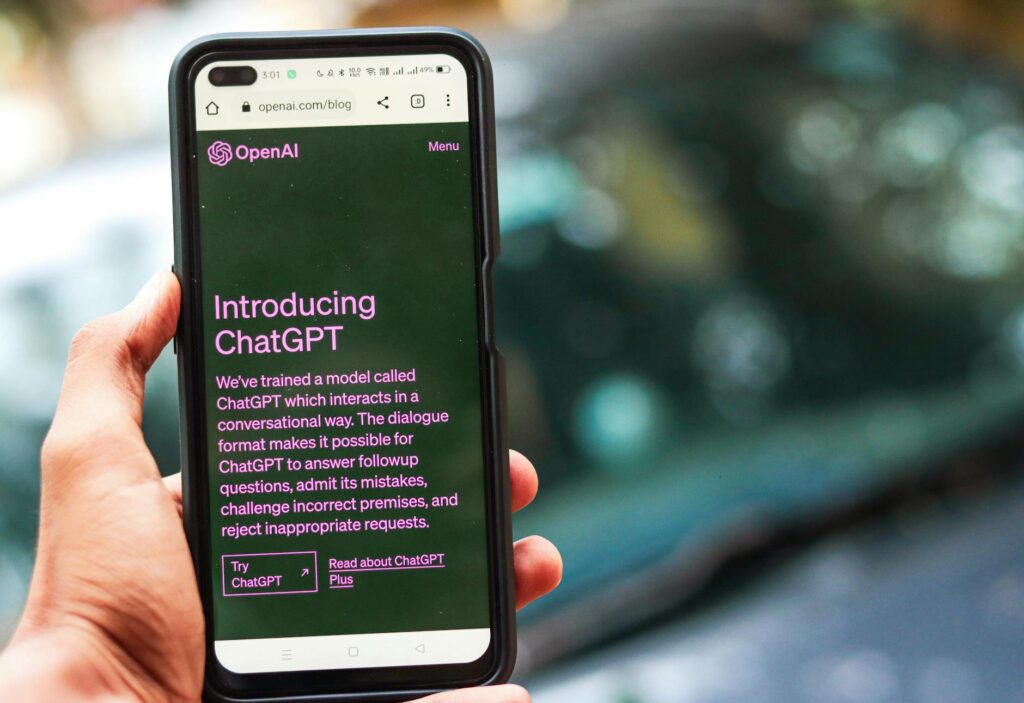
Use AI writing tools like ChatGPT or Claude to help draft the script itself. Give it a clear prompt: workout type, duration, fitness level, tone (energetic, calm, coaching), and any specific exercises you want included. You’ll still need to edit the output, but it saves serious time on the initial draft.
Structuring Your Audio File Like a Real Workout
A well-built exercise narration ai file follows the same structure as a real workout session. That might sound obvious, but a lot of first-time creators just record a voice track and call it done. The structure is what makes the audio genuinely usable during an actual workout.
Here’s a solid structural template:
Intro (30 to 60 seconds): Set expectations. Tell the listener what they’re about to do, how long it takes, and what equipment they’ll need. The AI voice should sound confident and welcoming here, not frantic.
Warm-up section (3 to 5 minutes): Slower pacing, more detailed form cues, lower energy delivery. This is where a calmer AI voice profile actually helps.
Main workout blocks: This is where the energy needs to ramp up. Structure each exercise with an intro cue (“Next up, jump squats”), a go signal, timed or rep-counted narration, and a rest cue. Keep the rest cues consistent in phrasing so listeners start to anticipate them.
Cooldown and stretch (3 to 5 minutes): Drop back to calm, slower delivery. Many creators switch to a different AI voice here, something softer, which actually works really well for the mental reset a cooldown provides.
Outro (30 seconds): Congratulate the listener, give a next-steps prompt if this is part of a series, and keep it brief. Nobody wants a three-minute motivational speech after they’ve just done 40 minutes of cardio.
Adding Music, Sound Design, and Post-Production Polish
Raw AI voice output is only part of the final product. To create fitness audio ai content that feels professional and actually motivates people, you’ll need to layer it with music and some basic sound design.
For music, Epidemic Sound and Artlist are the go-to options for royalty-free fitness tracks. Both have specific categories for workout music. Alternatively, tools like Soundraw and Udio let you generate original music with AI, which gives you complete ownership and lets you match the tempo precisely to your workout intervals.
Basic post-production steps worth doing even if you’re not an audio editor:
- Normalize the voice track so volume stays consistent throughout
- Duck the music (automatically lower music volume) when the AI voice is speaking
- Add a short audio sting or sound effect at the start of each exercise block, it helps listeners snap to attention
- Use a noise gate to clean up any artifact sounds between speech segments
- Export at 192kbps MP3 minimum for podcast/download use, or WAV if you’re delivering to an app
Free tools like Audacity handle all of this well. If you want something faster with a better interface, Adobe Audition or Descript are worth the subscription cost. Descript in particular is excellent because it lets you edit audio by editing the text transcript, which makes tweaking AI voice output surprisingly fast.
Where and How to Distribute Your Fitness Audio Content
Creating the audio is only half the job. Getting it in front of people who’ll actually use it is the other half, and there are more distribution channels than most creators realize.
Podcast platforms are an underused channel for workout content. Platforms like Spotify, Apple Podcasts, and Pocket Casts are where a lot of people already go to consume audio content. A workout guide ai voice series distributed as a podcast has basically zero barrier to access for listeners, and you can build a subscriber base over time.
For downloadable files, Gumroad and Payhip are both easy to use for selling individual audio workouts or bundled programs. A 30-day audio workout program produced with AI tools can be a genuinely solid digital product at a reasonable price point, especially if you’re a personal trainer looking to add passive income.
App integration is the highest-effort but highest-value path. If you’re building a fitness app or working with a developer, platforms like Amazon Polly and Google Cloud TTS let you generate audio dynamically, meaning the app can create custom workout narration on the fly based on user settings. That’s where fitness content ai audio gets really interesting from a product standpoint.
Don’t overlook YouTube either. Workout videos with AI narration perform well in search, especially for specific queries like “20 minute beginner kettlebell workout.” You don’t need fancy video production. A simple looping visual with your audio track is enough to get indexed and found.
Legal and Ethical Things Worth Knowing Before You Publish
A few quick but important points before you start publishing AI workout audio at scale.
Check the terms of service on whichever AI voice platform you use. Most allow commercial use, but some have restrictions on the number of outputs, the distribution channels, or require attribution. ElevenLabs, Murf, and Play.ht all allow commercial use on paid plans, but the free tiers often don’t.
If you use voice cloning to clone someone else’s voice, even a voice actor you’ve hired, get that in writing first. The legal landscape around AI voice cloning is evolving quickly, and you don’t want ambiguity on something you’re selling commercially.
For medical or safety-sensitive fitness content, include a standard disclaimer. Something like “consult a healthcare professional before starting any new exercise program” is simple, standard, and protects you if a user hurts themselves following your audio program.
Start Small, Then Scale Fast
The best way to get started is to build one complete 20-minute workout audio file this week. Pick a tool (ElevenLabs is a good starting point for most people), draft a script using ChatGPT, generate the audio, layer in some royalty-free music, and publish it somewhere. Don’t wait until everything is perfect.
The production skills compound quickly. Your second audio file will take half as long as your first. By your fifth, you’ll have a repeatable workflow that can produce professional-quality fitness content ai audio in under an hour per session. That’s a real content advantage, whether you’re building a brand, a business, or just trying to help more people get moving.