Getting a child to actually fall asleep is half parenting, half negotiation, and a whole lot of creative stamina. If you’ve ever found yourself inventing a story about a dragon who loses his favorite sock at 9:47 PM on a Tuesday, you already understand why AI bedtime stories have become something parents are seriously excited about.
AI tools have gotten surprisingly good at generating warm, imaginative, child-friendly narratives , and even better, they can narrate those stories in soothing voices that do the heavy lifting for you. Whether you’re dealing with a toddler who needs 45 minutes of winding down or a seven-year-old who just wants “one more story,” this guide walks you through exactly how to use AI to create and deliver bedtime stories that kids actually love.
Why AI Storytelling Works So Well for Bedtime
There’s something worth understanding before you dive in: bedtime stories aren’t just entertainment. Research from the American Academy of Pediatrics confirms that consistent bedtime routines, including storytelling, reduce the time it takes children to fall asleep and improve overall sleep quality. The content matters too. Calm pacing, familiar characters, and low-stakes plots are all ingredients that help a child’s nervous system shift into rest mode.
AI happens to be really good at those exact things. Unlike a YouTube video or a TV show, children bedtime audio AI doesn’t stimulate visually. It’s audio-first, imagination-driven, and easy to customize. You can tell an AI tool to keep the story quiet and slow-paced, set it in your child’s favorite fictional universe, or even include their name and their real pet as characters. No human storyteller , including you at 10 PM when you’re exhausted , can do that on demand every single night.
It’s also infinitely repeatable. Kids love hearing the same story twice, three times, forty-seven times. With AI, you can regenerate a slight variation of a beloved story in seconds, keeping the core familiar while introducing just enough novelty to stay interesting.
Choosing the Right Tools for Kids Bedtime AI
The kids bedtime AI space has a few solid options, and they fall into two main categories: story generators and voice/audio tools. For the best results, you’ll often use both together.
Story Generation Tools
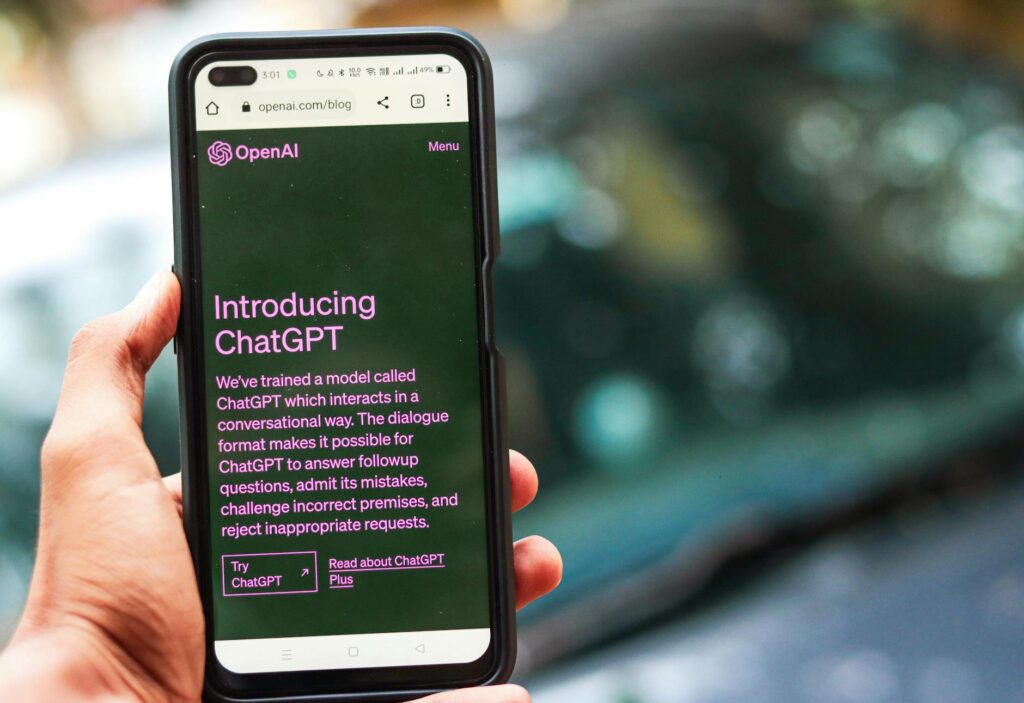
ChatGPT (OpenAI) is the most flexible starting point for most people. It’s free at the basic level, endlessly customizable, and capable of generating rich, age-appropriate stories in seconds. You can give it extremely specific prompts and get professional-quality output almost instantly. Google’s Gemini and Anthropic’s Claude are solid alternatives with similar capabilities.
Dedicated kids platforms like Bedtime AI (available as an app) and Stories for Kids AI are purpose-built for this use case. They often have built-in safety filters, pre-set reading levels, and interfaces designed for parents rather than developers. If you’re not comfortable writing detailed prompts, these apps do a lot of the thinking for you.
Voice and Audio Tools
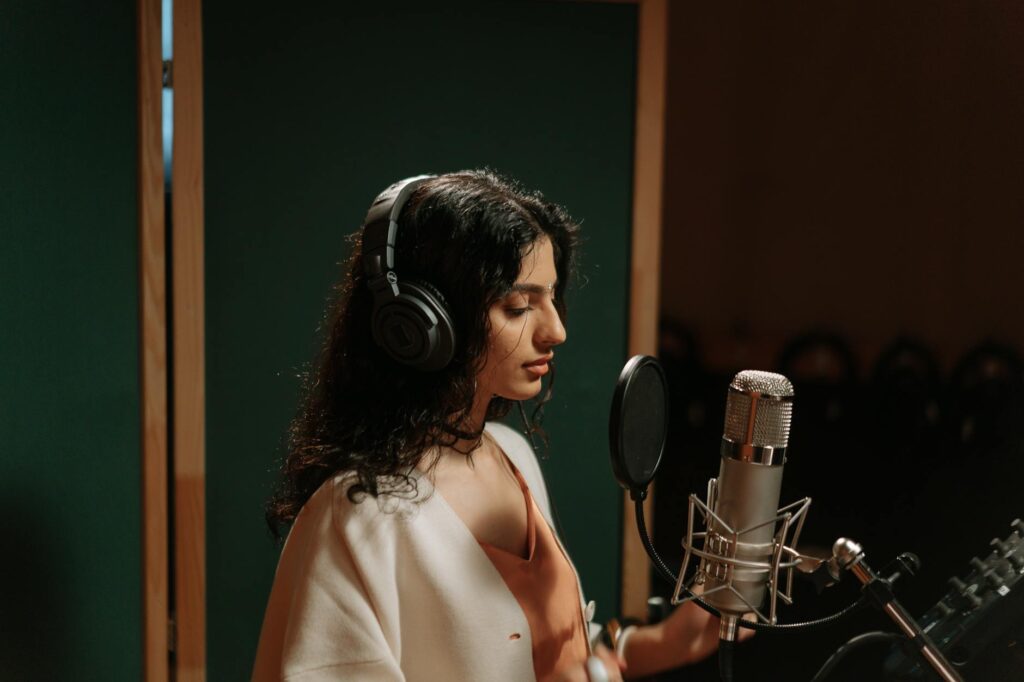
This is where it gets genuinely exciting. Once you have a story, you want it narrated in a voice that actually sounds soothing rather than robotic. ElevenLabs is the current gold standard for AI voice generation. It offers dozens of voice styles, and several of their options have exactly the warm, gentle cadence you’d want for a bedtime read. Their “Freya” and “Grace” voices in particular have been praised by parents in online communities for sounding genuinely calm and nurturing.
Murf AI and Speechify are both strong alternatives with good libraries of narrator voices. Speechify even has a dedicated kids mode. If you’re looking for something completely integrated, some apps like Suno (primarily a music tool) can generate soft ambient backgrounds you can layer under a narrated story for an even more immersive sleep experience.
How to Write AI Prompts That Produce Great Bedtime Stories
The story is only as good as the prompt you give the AI. Vague prompts produce generic output. Specific prompts produce stories that feel tailored, personal, and genuinely calming. Here’s a framework that works consistently well.
The Core Prompt Structure
Start with these five elements in your prompt: character name and brief description, setting, a simple problem or goal, the emotional tone you want, and the target age. Here’s an example of a weak prompt versus a strong one:
Weak: “Write a bedtime story for a 5-year-old.”
Strong: “Write a calming bedtime story for a 5-year-old named Lily who loves frogs and the color purple. Set the story in a quiet forest at night. Lily the frog is looking for the perfect leaf to sleep under. The tone should be slow, peaceful, and dreamy. Keep sentences short and simple. End with Lily closing her eyes and falling asleep.”
The difference in output quality is dramatic. The second prompt gives the AI enough context to create something that feels personal and intentionally sleep-inducing rather than just entertaining.
Prompting for the Right Pacing
This part matters more than most parents realize. Ask the AI specifically for short sentences, gentle language, and a slow narrative rhythm. You can even ask it to include natural pause points. Phrases like “And slowly… the stars came out one by one” give the child time to breathe and settle. Ask for those kinds of moments explicitly, and you’ll get them.
You can also request that the AI avoid any conflict or tension near the end of the story. Many standard story structures build to a climax before resolving, which is great for daytime reading but counterproductive at bedtime. Tell the AI you want a “low-stakes, resolution-first” structure where everything is calm well before the ending.
Turning Text Stories Into Full Audio Experiences
Once you’ve generated a story you like, the next step is creating the audio. This is where the create bedtime story AI workflow really comes together as a full production.
Copy your story text into ElevenLabs or Murf AI. Select a voice that sounds genuinely warm and calm rather than crisp or authoritative. If the tool lets you adjust speed, slow it down by about 10 to 15 percent from the default. A slower read feels more intentional and hypnotic to a child who’s winding down.
Some parents add a soft ambient sound layer. Tools like MyNoise.net have free background audio you can download , rain on a tent, a quiet forest, or a gentle brook. Mix that underneath the narrated story at a very low volume (roughly 20 to 25 percent of the story audio level) and you’ve created something that genuinely rivals the production quality of commercial kids’ sleep audio on platforms like Calm or Spotify Kids.
Save the files to a shared folder or directly to your phone. A lot of families create a small library of 10 to 15 custom stories so they always have variety on hand without needing to generate something new every single night.
Personalizing AI Sleep Stories to Make Them Stick
Here’s where AI genuinely outdoes any commercial product. AI sleep stories can be personalized in ways that a studio-produced audio book simply can’t match. Your child’s name, their best friend’s name, their actual dog, their classroom, their favorite food , all of it can go into the story.
Personalization isn’t just a fun gimmick. Studies in early childhood education consistently show that children engage more deeply with stories when they see themselves in the narrative. A child who hears their own name spoken by a calm, warm narrator while they’re drifting off has a completely different experience than a child listening to a generic story about characters they’ve never met.
Try running what some parents call a “story season.” Pick a recurring character or world that you build on over a few weeks. Maybe it’s a small bear who lives in a cottage near a river and goes on one small adventure each night. The AI can maintain continuity surprisingly well if you paste in a brief “story bible” at the start of each prompt (two or three sentences describing the character and setting). Children love the familiarity, and you’re building something that genuinely feels like your family’s own storytelling tradition.
Safety, Screen Time, and Setting Appropriate Limits
A few practical notes before you go all-in. Most major AI text tools are not specifically designed for children, so always review the output before playing it for your child. This takes about 30 seconds of skimming and is always worth it. The story generators built specifically for kids (like the dedicated apps mentioned earlier) have content filters baked in, which makes this step less necessary but still a good habit.
Audio-only delivery is ideal at bedtime. Play the story through a Bluetooth speaker in the room rather than handing over a phone or tablet. The whole point is to encourage sleep, not to introduce screen interaction right before lights out. A simple speaker like an Amazon Echo or even a basic Bluetooth travel speaker works perfectly.
Also, set a volume that’s audible but not stimulating. Roughly 50 to 60 decibels is the sweet spot , about the level of a quiet conversation. Louder than that and it starts to feel alert-inducing rather than sleep-inducing.
Getting Started Tonight: A Simple First Workflow
If you want to try this tonight, here’s the simplest possible starting point. Open ChatGPT, use the strong prompt structure from earlier in this article, and generate a short 300-word story. Paste it into ElevenLabs (the free tier works for this), pick a gentle voice, and download the audio file. Play it through your phone speaker as a test run. The whole process takes about 10 minutes the first time and maybe three minutes once you’re comfortable with it.
From there, you can build out your library, experiment with ambient sound layers, and develop recurring characters that your child looks forward to hearing about. The tools are genuinely good right now, they’re improving every few months, and the impact on your nightly routine can be significant. Bedtime doesn’t have to be the exhausting negotiation it sometimes becomes. With AI handling the storytelling, you can just be the parent who turns off the light and watches them drift off.