Book clubs are having a renaissance, but the biggest barrier isn’t finding members , it’s finding time to produce consistent, high-quality content that keeps everyone engaged between meetings. AI audio tools are quietly solving that problem, and the clubs using them are running circles around those that aren’t.
Whether you’re managing a community of fifty readers or building a podcast-style book club from scratch, AI can handle the heavy lifting: summaries, discussion prompts, character breakdowns, thematic analysis, and even full narrated audio episodes. Here’s exactly how to do it.
Why AI Audio Changes the Book Club Format Entirely
Traditional book clubs run on a simple but fragile model: everyone reads the same book, shows up at the same time, and hopes someone has something interesting to say. That model breaks down fast when life gets busy. Members fall behind on reading, discussions go flat, and attendance drops off after the first few months.
AI book club audio content solves this by creating an always-available layer of engagement. Think of it as the companion material your members can listen to during their commute, workout, or lunch break. Instead of going into a meeting cold, they’ve already heard a twelve-minute audio summary, listened to three compelling discussion questions, and absorbed some background on the author’s influences. The quality of the conversation when people actually gather goes up dramatically.
This isn’t theoretical. Platforms like Spotify and Apple Podcasts have shown that audio content built around books , think “The Book Review” podcast or Audible’s companion content , consistently performs well. The appetite is there. AI just makes it affordable and fast for smaller clubs to produce the same kind of material.
The Core Tools You’ll Actually Use
You don’t need a studio setup or a background in audio production. A handful of well-chosen tools will cover almost every use case for producing book discussion AI audio content at a professional level.
Text-to-Speech and Voice Synthesis
ElevenLabs is the current benchmark for realistic AI voice generation. You can choose from dozens of voices, clone your own, or design a signature voice for your book club’s brand. Upload a script and get broadcast-quality audio back in minutes. For longer-form narration, Play.ht and Murf.ai are solid alternatives with robust editing interfaces that let you control pacing, emphasis, and tone.
The key is picking one consistent voice (or two, if you want a conversation format) and sticking with it. Your listeners will develop a relationship with that voice the same way podcast fans do with hosts.
AI Writing Assistants for Script Generation
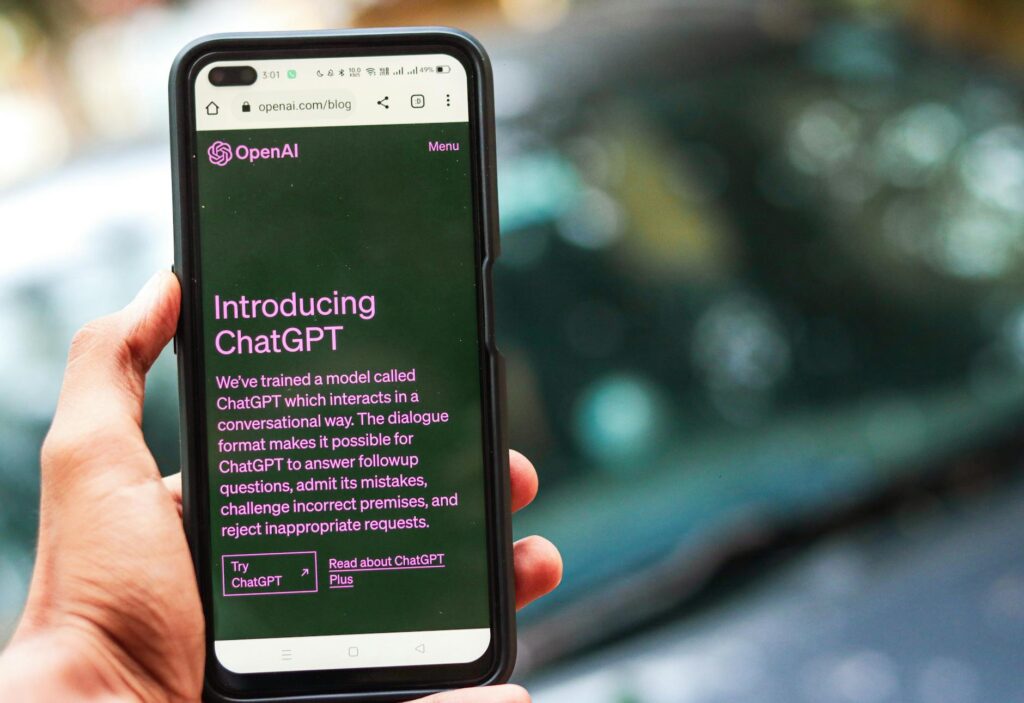
ChatGPT, Claude, and Gemini are all capable of generating strong scripts for ai literary audio content, but they need specific prompts to deliver their best work. Vague requests get vague results. Instead of asking for “a summary of Crime and Punishment,” give the AI a structured brief: target audience (casual readers vs. literary enthusiasts), length (8-10 minutes of spoken audio, roughly 1,200-1,500 words), tone (conversational vs. academic), and the specific elements you want covered (plot, character psychology, historical context, thematic questions).
The difference between a mediocre AI script and a compelling one is almost always in the prompt quality.
Audio Editing and Production
Adobe Podcast (formerly Enhance Speech) can clean up any rough audio you record yourself and mix it with AI-generated tracks. Descript lets you edit audio by editing text, which is a genuinely useful feature when you want to trim or restructure AI-generated content. For background music, Soundraw and Artlist both offer royalty-free options that work well under spoken word content without competing with the narration.
Building Your Content Pipeline: What to Produce and When
The reading club AI advantage isn’t just in the tools, it’s in having a systematic content pipeline that delivers value at every stage of the reading cycle. Here’s a structure that works well for monthly book clubs.
Week One: The Book Introduction Audio
Release this the day you announce the monthly pick. It should run eight to twelve minutes and cover the author’s background, what makes this book significant, what genre conventions or literary techniques readers should watch for, and a brief spoiler-free overview of the premise. This gets members excited before they crack the spine and sets the intellectual frame for how they’ll read.
Prompt structure for your AI writing assistant: “Write a compelling 1,200-word audio script introducing [Book Title] by [Author]. Tone: enthusiastic but intellectually grounded. Include: author biography highlights, the book’s cultural or historical context, what literary techniques the author is known for, and three things readers should pay attention to while reading. No spoilers beyond the book’s premise.”
Week Two and Three: Chapter or Section Discussion Drops
For longer books, mid-month content is what keeps members from losing steam. A fifteen-minute audio drop covering the first half of the book, with three or four discussion questions woven in, gives members something to react to and keeps the book top of mind. This is where book summary audio AI earns its keep: you’re not just summarizing what happened, you’re framing it in a way that provokes thought.
Good discussion question formats for audio: open-ended character motivation questions, “what would you have done” ethical dilemmas drawn from the plot, and comparative questions that connect the book to other works or real-world situations. These land better in audio than in a group chat because listeners process them while their minds are already engaged with the material.
Week Four: The Full Analysis and Wrap-Up Audio
This is your flagship piece. A twenty-to-thirty minute audio episode covering full thematic analysis, major character arcs, the author’s narrative choices, and a structured set of discussion questions for the meeting. Think of this as your book club’s version of a literary podcast episode. Released three to four days before the meeting, it gives members time to absorb it and come with actual opinions.
Include a “hot takes” segment where you present two or three deliberately provocative readings of the book and invite members to agree or disagree. Controversy, handled thoughtfully, drives the best book club discussions.
Formats That Work Especially Well in Audio
Not all content translates equally from text to audio. Some formats are genuinely better suited to the listening experience and will get higher engagement from your members.
Character Voice Profiles
Use AI writing tools to generate a detailed psychological profile of a major character, then have your text-to-speech tool narrate it in first person, as if the character is being interviewed. This is surprisingly compelling and gets members thinking about characters as real, complex people rather than plot devices. It also works exceptionally well for books where character motivation is central to the discussion.
Author Interview Simulations
This one requires transparency with your members, but it’s effective: use an AI writing assistant to generate a plausible “interview” with the author based on their known published interviews, essays, and public statements, then narrate it as a simulated Q&A. Always disclose that it’s AI-generated and based on real source material. Members find it engaging as a creative exercise, not a deception.
Comparative Audio Essays
Connect the current book to other works in your club’s history or to broader cultural conversations. “How does the moral ambiguity in this month’s pick compare to what we saw in [previous book]?” This kind of ai literary audio content rewards long-term members and builds a sense of shared reading history within your community.
Distributing Your Audio Content Without Overcomplicating It
Production is only half the equation. Your ai book club audio needs to reach members consistently and in a format they’ll actually consume.
Private podcast feeds are the cleanest solution. Tools like Podbean, Buzzsprout, and RSS.com all support private, members-only RSS feeds that work with every major podcast app. Members subscribe once and episodes appear automatically. No links, no downloads, no friction. If your club has a paid membership tier, this adds real perceived value to the subscription.
For free or community-based clubs, a private YouTube channel or an unlisted Spotify episode can work. Anchor (now Spotify for Podcasters) lets you publish episodes privately and share them via link. It’s not as seamless as a private RSS feed, but it’s free and accessible.
Consistency matters more than production quality, especially early on. A reliable eight-minute audio drop every week builds habitual listening far better than an occasional thirty-minute masterpiece. Start simple, get consistent, then level up.
Common Mistakes That Undermine Your AI Audio Content
A few patterns consistently produce mediocre results, and they’re worth flagging directly.
- Using AI-generated scripts without editing: Raw AI output needs a human pass. Check for factual errors about the book or author, flatten any sections that sound generic, and inject specific page references or quotes to ground the content in the actual text.
- Choosing novelty voices over clear ones: Dramatic or character voices are tempting but get tiring over fifteen minutes. Clear, warm, moderately-paced narration wins every time for comprehension and listenability.
- Treating every book the same: A thriller needs different audio content than a literary novel or a memoir. Adjust your structure, tone, and discussion framing to match the genre and the book’s specific strengths.
- Neglecting the discussion prompt quality: This is the most important output your club produces. Weak questions (“Did you like the ending?”) produce weak conversations. Strong questions force members to take positions, make comparisons, or grapple with ethical complexity.
The clubs that get the most out of book discussion AI audio are the ones treating AI as a force multiplier for their own editorial judgment, not a replacement for it. You still need to know what makes a good question, what makes a compelling narrative, and what your members care about. AI just lets you produce those things at a scale and consistency that wasn’t previously possible without a full production team.
If you’re running a book club right now, start with one thing: generate a book summary audio piece for your next selection using the prompt structure above, run it through ElevenLabs, and send it to your members before the meeting. Watch what happens to the quality of the discussion. That single experiment will tell you everything you need to know about whether this approach is worth building out further.