Your Voice, Replicated in Minutes: Here’s How It Actually Works
Voice cloning used to require studio equipment, thousands of audio samples, and a team of engineers. ElevenLabs changed that completely, and now anyone with a decent microphone and fifteen minutes can create a convincing AI replica of their own voice.
This guide walks you through the entire process of setting up an ElevenLabs voice clone, from account creation to your first generated audio file. Whether you’re a content creator looking to scale production, a developer building voice applications, or just someone who wants to experiment with what’s possible, you’ll find everything you need here. No fluff, no vague advice.
What ElevenLabs Actually Does (and Why It’s Worth Using)
ElevenLabs is an AI audio platform that specializes in realistic speech synthesis and voice cloning. Founded in 2022, the company quickly became one of the most respected names in generative audio, largely because the quality of its output is genuinely hard to distinguish from real human speech in many use cases.
The platform offers two types of voice cloning: Instant Voice Cloning (IVC) and Professional Voice Cloning (PVC). Instant cloning is fast and requires only a short audio sample, typically one to five minutes. Professional cloning takes longer to process but produces a more nuanced, higher-fidelity replica that captures subtle vocal characteristics like breath patterns and tonal variation.
For most users starting out, Instant Voice Cloning is the right entry point. It’s accessible on paid plans starting at $5 per month, and the results are impressive enough for podcasts, voiceovers, e-learning content, and social media. Professional Voice Cloning is reserved for Creator plans and above, which start at $22 per month.
One important thing to understand before you dive in: ElevenLabs takes voice cloning seriously from an ethical standpoint. The platform requires users to confirm they have the right to clone the voice they’re uploading. Cloning someone else’s voice without consent is a violation of their terms of service, full stop.
Setting Up Your Account and Choosing the Right Plan
Head to elevenlabs.io and create a free account. The free tier lets you explore the platform and test basic text-to-speech features, but it doesn’t include voice cloning. You’ll need to upgrade to at least the Starter plan to access Instant Voice Cloning.
Here’s a quick breakdown of the plans relevant to voice cloning:
- Starter ($5/month): Includes Instant Voice Cloning, 30,000 characters per month, and up to 10 custom voices stored.
- Creator ($22/month): Adds Professional Voice Cloning, 100,000 characters per month, and priority processing.
- Pro ($99/month): Designed for high-volume use, with 500,000 characters and enhanced commercial licensing.
For someone new to the elevenlabs voice clone workflow, Starter is the sensible choice. You can always upgrade once you know how you’ll use it. After subscribing, navigate to the “Voices” section in the left-hand sidebar. This is where all the magic happens.
Recording the Perfect Audio Sample for Voice Cloning
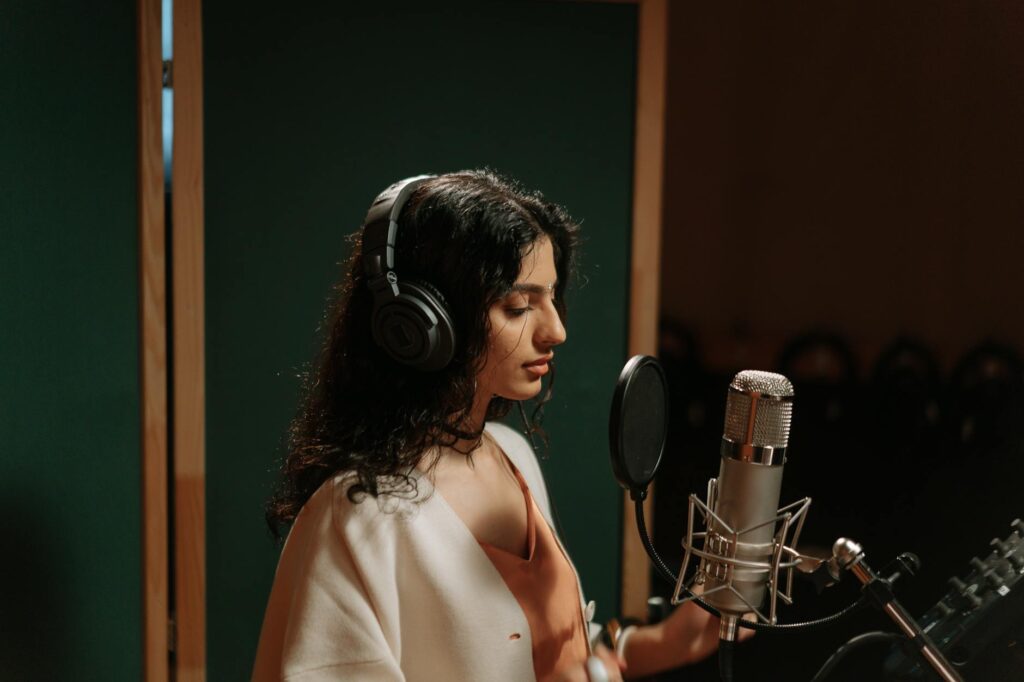
This step matters more than most people realize. The quality of your input audio directly determines the quality of your clone voice AI output. A bad recording produces a bad clone, even on the best platform available.
Here’s what you need to record a strong sample:
- A quiet environment: Background noise, air conditioning hum, or room echo will all get baked into the clone. Record in a small room with soft furnishings if you can, or use a closet full of clothes as a makeshift booth.
- A decent microphone: You don’t need professional gear. A USB condenser microphone in the $50 to $100 range, like the Blue Snowball or Audio-Technica AT2020USB, works well. Avoid recording on a laptop’s built-in mic if at all possible.
- Consistent speaking style: Read naturally. Speak at your normal pace, with your normal energy. The model learns from your patterns, so if you read stiffly or artificially, the clone will reflect that.
- Minimal processing: Don’t heavily compress or EQ the audio before uploading. ElevenLabs processes the raw signal itself. Export as a WAV or high-quality MP3 (at least 192kbps).
For Instant Voice Cloning, aim for one to three minutes of clean speech. You can upload multiple shorter clips if that’s easier. For Professional Voice Cloning, ElevenLabs recommends at least 30 minutes of audio, and more is genuinely better here. Many users record themselves reading articles, blog posts, or book excerpts to hit that target.
What you say matters less than how you say it. Read varied content that includes questions, statements, and exclamations so the model captures your full dynamic range.
Step-by-Step: Creating Your Voice Clone in ElevenLabs
Once you’ve recorded your audio, the actual process of voice cloning in ElevenLabs is straightforward. Here’s the full walkthrough.
Step 1: Navigate to the Voice Lab
Inside your ElevenLabs dashboard, click on “Voices” in the left sidebar, then select “Add a new voice.” You’ll see options for different voice types. Choose “Instant Voice Cloning” to start.
Step 2: Upload Your Audio Files
Drag and drop your recorded audio files into the upload window. ElevenLabs accepts WAV, MP3, and M4A formats. You can upload multiple files at once. The platform will display the total duration of your uploaded audio so you know exactly how much material you’ve provided.
Step 3: Name Your Voice and Add Labels
Give your voice a clear, descriptive name. If you’re creating multiple voices or working in a team environment, good naming conventions save a lot of confusion later. You can also add labels like “American English,” “male,” or “conversational” to help organize your voice library.
Step 4: Consent and Submission
ElevenLabs requires you to check a box confirming that you have explicit permission to clone the voice in the uploaded recordings. Read this carefully. If you’re cloning your own voice, simply check the box and proceed. Click “Add Voice” and the platform processes your sample, usually in under a minute for Instant cloning.
Step 5: Test Your Clone
Your new voice appears in your voice library immediately after processing. Navigate to the Speech Synthesis tool, select your cloned voice from the dropdown, type or paste some text, and hit generate. Listen critically. Does it sound like you? Does the intonation feel natural? For most users with clean audio samples, the first result is genuinely impressive.
Getting Better Results: Fine-Tuning Your AI Voice Clone
The first output rarely represents the ceiling of what’s possible. There are several ways to improve your create voice clone ElevenLabs results without starting from scratch.
The Voice Settings panel lets you adjust Stability and Similarity Boost. Stability controls how consistent the voice sounds across different outputs. Lower stability produces more expressive, varied speech but can introduce instability. Higher stability keeps the voice consistent but can sound slightly robotic. A setting between 50 and 70 works well for most use cases.
Similarity Boost controls how closely the output sticks to your original voice characteristics. Higher values produce a closer match but can occasionally cause audio artifacts. Start at around 75 and adjust based on what you hear.
The Style setting (available in some models) lets you amplify the expressive qualities of the voice. Keep this low for narration and documentation, and push it higher for conversational or performance content.
If your initial results are underwhelming, the most common fix is better source audio. Upload more samples, specifically recording in a different environment or with a different microphone, and regenerate the clone. ElevenLabs allows you to add additional audio samples to an existing Instant Voice Clone without starting over.
Real-World Use Cases That Make Voice Cloning Worthwhile
Understanding the mechanics of voice cloning elevenlabs-style is one thing. Knowing where it actually delivers value is what separates a useful tool from an interesting experiment.
Content creators use voice clones to produce video narration without sitting in front of a microphone every single day. A YouTuber who films tutorials can write a script, generate the voiceover using their cloned voice, and sync it to footage in a fraction of the time a traditional recording session would take.
Authors and publishers use it for audiobook production. Instead of booking expensive studio time, an author can clone their voice once and generate narration for their entire catalog, keeping the content in their own voice even when outsourcing the production workflow.
Businesses use it for customer-facing audio, internal training materials, and product demos. A company that produces frequent explainer videos can generate consistent narration from a single brand voice without relying on one person’s availability and schedule.
Developers building applications use the ElevenLabs API to integrate voice clones directly into their products, from personalized reading apps to AI assistants that speak in a specific person’s voice.
Roughly 40% of ElevenLabs users report using voice cloning for content production workflows, according to community surveys and published user data. That’s a significant majority using the ai voice clone guide approach in a genuinely professional context, not just experimenting.
What to Watch Out For: Limitations and Ethical Guardrails
No technology is without limits, and voice cloning is an area where responsible use matters significantly. A few things to keep in mind:
Cloning accuracy varies by voice type. Very soft voices, voices with strong regional accents, or voices with unusual tonal qualities sometimes produce less accurate clones on the first attempt. More audio samples and Professional Voice Cloning generally close this gap.
Generated audio can occasionally produce mispronunciations, especially for unusual proper nouns, technical terms, or non-English words. ElevenLabs lets you use phonetic spelling in prompts to work around this.
The ethical dimension is real. Voice cloning technology can be misused to create deceptive audio content. ElevenLabs has built in consent requirements and actively monitors for misuse, but that responsibility also falls on every individual user. Only clone voices you own or have explicit written permission to replicate.
If you’re using cloned voices commercially, review ElevenLabs’ licensing terms for your specific plan. Commercial rights are included in most paid tiers, but the specifics matter if you’re publishing widely or monetizing the output.
Start Small, Scale Fast
The best way to approach ElevenLabs voice cloning is to start with a single, well-recorded audio sample and one specific use case. Record three minutes of clean audio today, create your first clone, and generate a piece of content you’d normally spend an hour recording manually. That one experiment will tell you more about the tool’s potential value to your workflow than any amount of reading.
Once you’ve validated the quality for your use case, scaling is straightforward. Add more audio samples to improve accuracy, upgrade your plan if you need higher output volume, and explore the API if you’re building something more complex. The platform’s documentation is genuinely solid, and the ElevenLabs community on Discord is active and helpful for troubleshooting edge cases.
Voice cloning isn’t a future technology anymore. It’s a practical, accessible tool that’s already changing how content gets made. The only question is whether you’re using it yet.