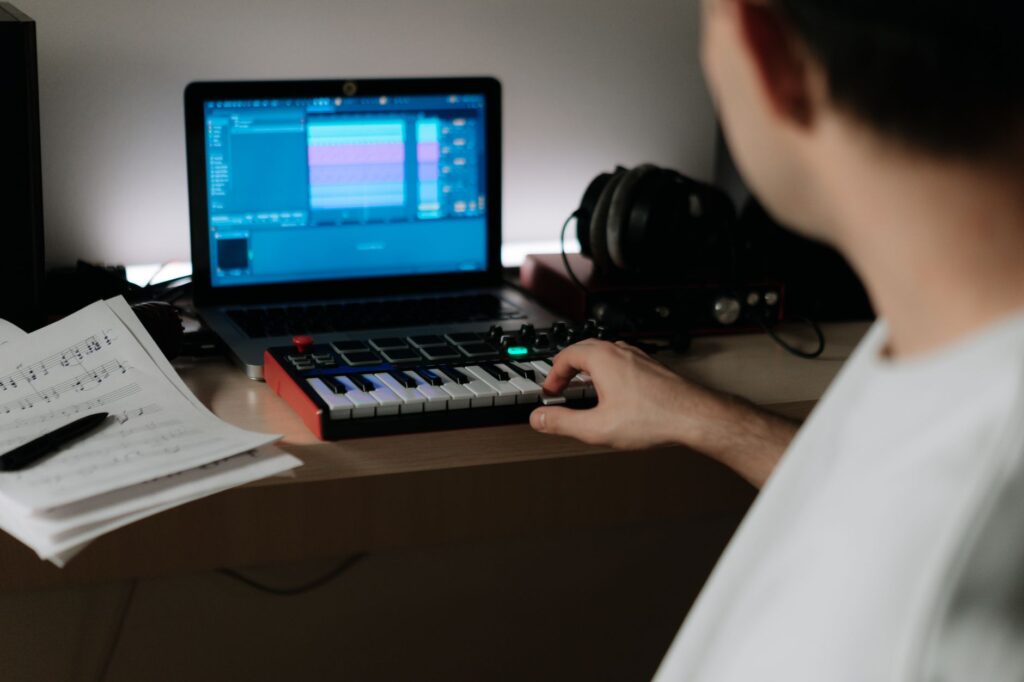
You don’t need to know a single music theory concept, own any instruments, or spend years learning how to produce tracks. With Suno AI, you can go from a blank page to a fully produced, vocalized song in under two minutes.
That’s not marketing hyperbole. It’s genuinely what this tool does, and it’s one of the reasons Suno AI music has captured the attention of hobbyists, content creators, indie game developers, and even professional musicians who use it as a rapid prototyping tool. Whether you want to score a YouTube video, experiment with songwriting, or just scratch a creative itch, this guide will walk you through exactly how to use Suno AI from start to finish.
What Suno AI Actually Is (And Why It’s Different)
Suno is a generative AI platform built specifically for music creation. Unlike text-to-speech tools or audio editors, the Suno music generator produces complete songs with instrumentation, vocals, harmonies, and a defined structure. You give it a prompt, and it returns something that sounds like a real recording.
What sets it apart from older AI music tools is the quality of the vocals. Early AI music generators produced robotic, unconvincing singing that was hard to sit through. Suno changed that. Its vocal output is remarkably natural, with real emotional inflection that shifts to match the genre and tone you’ve specified. A sad acoustic ballad sounds genuinely melancholic. An upbeat pop track sounds genuinely fun.
The platform runs entirely in a web browser at suno.com, so there’s no software to install. You sign up with a Google, Microsoft, or Discord account, and you’re dropped directly into the creation interface. Free accounts get 50 credits per day, which translates to roughly 10 song generations. Paid plans (Pro at $8/month and Premier at $24/month) offer significantly more credits and commercial usage rights, which matters if you’re planning to publish or monetize anything you create.
Your First Song: Walking Through the Basic Workflow
When you first open Suno, you’ll see a simple creation panel on the left side of the screen. There’s a text box labeled “Song Description,” a toggle for Custom Mode, and a button to generate. That’s it. The minimalism is intentional.
To create a song with Suno using the default mode, just type a natural language description of the song you want. Think of it less like a search query and more like you’re briefing a musician. Something like “an upbeat reggae track about missing home, with warm guitar and a female vocalist” will produce very different results than “a dark orchestral piece with heavy strings and no lyrics.” Both are valid. Both work.
Hit Generate, and within 30 to 60 seconds, Suno returns two different versions of your song. This is a nice design choice because the two variations often take the prompt in meaningfully different directions, and you can pick whichever resonates more, or regenerate entirely if neither lands right. Each generation costs roughly 5 credits.
The songs typically run between one and two minutes in their initial form. You can extend them using the “Continue” feature, which prompts the AI to keep building the track from where it left off. This is how you build a full three or four minute song with a proper verse-chorus-bridge structure.
Custom Mode: Where the Real Control Lives
The basic prompt mode is great for experimenting, but Custom Mode is where this Suno AI guide really gets interesting. Toggling it on splits the interface into three separate inputs: Lyrics, Style of Music, and Song Title.
The Lyrics field is exactly what it sounds like. You write your own lyrics, and Suno sings them. You can use standard song notation to guide the structure: [Verse], [Chorus], [Bridge], [Outro]. The AI respects these tags and adjusts its phrasing, energy, and melody accordingly. If you’ve ever written a poem or a set of lyrics you wanted to hear performed, this is genuinely one of the most satisfying things you can do with the tool.
The Style of Music field accepts a comma-separated list of descriptors. You can be as broad or specific as you like. “indie folk, acoustic guitar, male vocals, melancholic” will get you somewhere very different from “80s synth pop, female vocals, upbeat, driving beat.” Genre labels work well here, but so do mood words, instrument names, and even production descriptors like “lo-fi,” “reverb-heavy,” or “stadium rock production.”
One practical tip worth remembering: don’t try to put too many conflicting ideas into the Style field. Asking for “jazz-metal fusion with classical piano and trap hi-hats and country fiddle” will confuse the model more than it inspires it. Pick a core identity for the song and then add two or three complementary descriptors rather than listing every genre you’ve ever enjoyed.
Writing Prompts That Actually Get Good Results
This is the part most tutorials skip over, and it’s the part that makes the biggest difference in output quality. Learning to write effective prompts for the Suno music generator isn’t complicated, but it does take a bit of intentional thinking.
Start with the emotional core of the song. Before you describe genre or instrumentation, ask yourself: what should this song feel like? Triumphant? Lonely? Nostalgic? Restless? Anchoring your prompt in emotion gives the AI something to build toward, and the results tend to feel more cohesive.
Then layer in the specifics. Some of the most effective prompts follow a simple structure: [mood] + [genre] + [instrumentation] + [vocal style]. So “haunting, atmospheric post-rock with clean electric guitar, no vocals, building to a loud climax” gives the model a clear target across four dimensions.
When you’re writing lyrics in Custom Mode, aim for concrete imagery over abstract statements. “I stood at the edge of the yard watching the porch light flicker” is a better lyric than “I feel so lost without you.” The specific image creates the emotional resonance; you don’t need to state the feeling directly. Suno’s vocals will carry the emotion if the words give it something to work with.
It’s also worth knowing that Suno handles certain genres better than others. Pop, folk, rock, hip-hop, and electronic music all produce consistently strong results. Highly technical genres like bebop jazz or classical orchestral can be hit or miss, though the model has improved considerably with each update. If you’re working in a niche genre, try a few generations before settling on a direction.
Editing, Extending, and Finishing Your Track
Once you have a version you like, Suno gives you several tools to refine it. The Extend feature, mentioned earlier, is the most useful. When you click Extend on a generated clip, you can either let the AI continue organically or specify what you want next, like “[Chorus]” or “[Outro, slow fade].” You can chain multiple extensions together to build a full song in sections.
There’s also a Cover Song feature that lets you take an existing Suno creation and reinterpret it in a different style. This is genuinely useful if you’ve generated something you love melodically but want to hear in a different genre. Keep the DNA of the song, change the clothes.
Downloading is straightforward. Each generated track has a download button that saves it as an MP3. If you’re on a paid plan with commercial rights, you can use these files in any project you choose, including videos, podcasts, games, and commercial releases. Free plan users technically retain rights for non-commercial personal use, but it’s worth reading Suno’s current terms of service before publishing anything, since platform policies in the AI music space are still evolving.
For creators who want to do more with their Suno tracks, the MP3 output imports cleanly into any DAW (digital audio workstation) like GarageBand, Ableton, or Audacity. Many people use Suno to generate a rough foundation and then layer additional elements on top, like live guitar recordings, custom percussion, or narration.
Practical Use Cases Worth Knowing About
The practical applications for Suno AI music go well beyond casual experimentation. Here’s where real creators are finding genuine value:
- YouTube and podcast creators are using it to generate custom background music and intros that match their brand without paying licensing fees or worrying about copyright strikes.
- Indie game developers are generating full soundtracks for small projects that couldn’t otherwise afford original composition.
- Songwriters are using it as a sketching tool, generating quick versions of lyric ideas to hear how they sound before investing time in full production.
- Teachers and educators are creating custom songs to reinforce lessons, which tends to stick with students far better than a worksheet.
- Social media creators are scoring short-form content like Reels and TikTok videos with tracks that are perfectly timed and mood-matched.
The create song Suno workflow adapts to all of these contexts because the core tool is flexible by design. You’re not locked into one genre, one mood, or one use case.
Getting Better Over Time
Like most creative tools, your results will improve the more you use it. The learning curve isn’t steep, but there is a curve. Your first few generations might feel generic. That’s normal. As you get a feel for how different prompt structures affect the output, you’ll develop an instinct for what works.
Keep a running document of prompts that produced results you loved. Note what specifically worked, whether it was the style descriptors, the lyric structure, or an emotional anchor you included. That prompt library becomes a real asset over time.
If you’ve been sitting on a creative project that needed original music but you didn’t have the budget, the skill, or the time to produce it yourself, this is a realistic solution available right now. Open a free account, spend 20 minutes with the tool, and you’ll come away with something you’d genuinely want other people to hear.