Testimonials are the closest thing to a guaranteed conversion tool that most businesses have, and yet the majority of companies collect them poorly, display them lazily, or never get them at all. AI video tools are changing that equation dramatically, making it possible to produce polished, compelling client video content without a film crew, a studio, or a three-week production timeline.
Why Video Testimonials Are Worth the Effort (And Why Most Businesses Skip Them)
Written testimonials on a landing page still have value, but their impact has dropped sharply. Buyers have grown suspicious of text quotes that could have been fabricated by anyone. Video is different. It provides visual cues, tone, facial expressions, and energy that text simply can’t replicate. Research from Wyzowl consistently shows that around 79% of people say a brand’s video has directly convinced them to make a purchase. When that video features a real customer explaining a real result, the persuasive power multiplies.
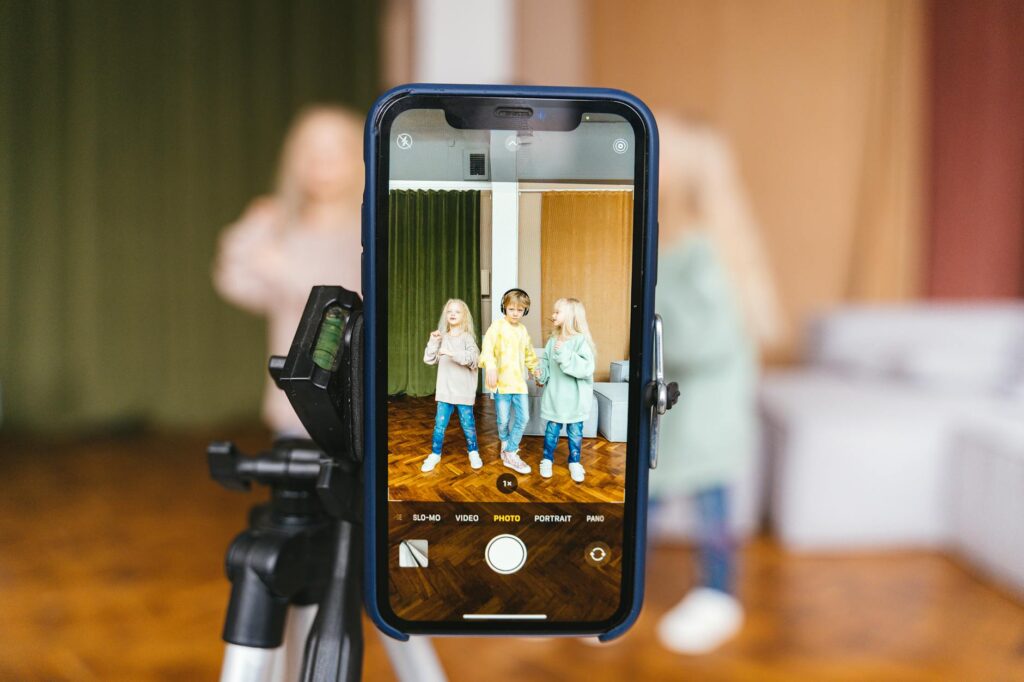
So why don’t more businesses collect video testimonials consistently? Three reasons come up repeatedly: cost, logistics, and quality anxiety. Getting a satisfied customer to record a video, send a usable file, and then having it edited and published can take weeks. Most customers don’t own decent recording equipment. The lighting is bad, the audio is worse, and the result looks amateurish next to the polished content your brand produces everywhere else.
AI video tools solve each of these problems in ways that weren’t possible even two years ago. You can now create testimonial video content that looks professional using AI-generated avatars, AI voice synthesis, text-to-video platforms, or tools that clean up and enhance actual customer-recorded footage. The path you choose depends on your business model, your ethics around disclosure, and how much raw customer input you have to work with.
Three Distinct Approaches to AI Video Testimonials
Before diving into tools and tactics, it’s worth understanding that “ai video testimonials” isn’t a single workflow. There are at least three meaningfully different approaches, each suited to different situations.
Approach 1: Enhancing Real Customer Footage
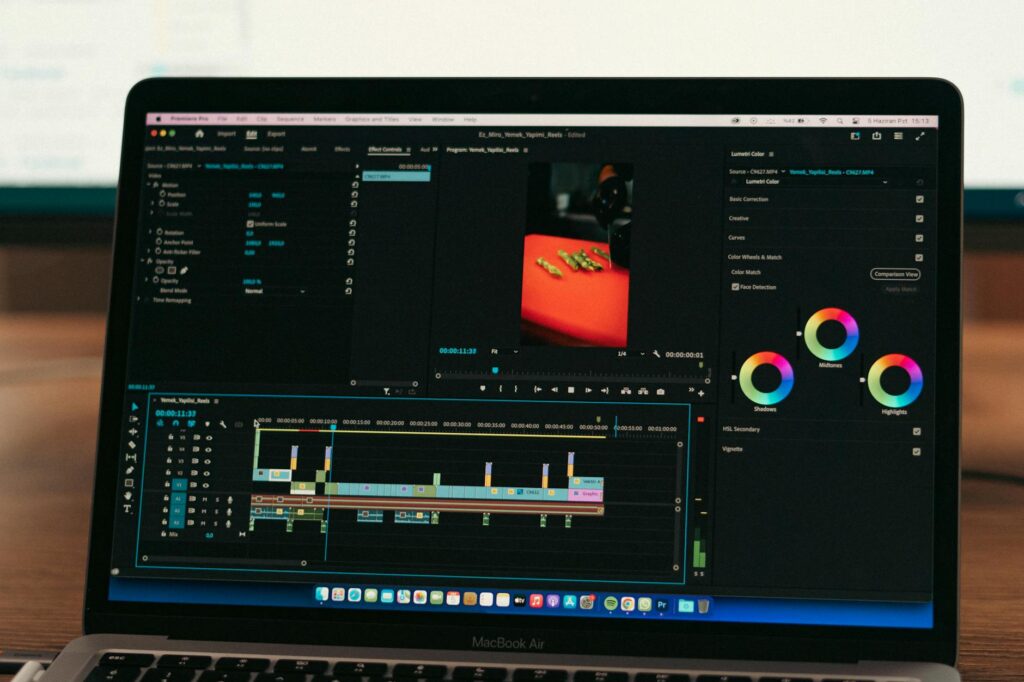
This is the most straightforward and least controversial method. A real customer records a video on their phone, sends it to you, and AI tools handle everything else. Background noise removal, stabilization, color correction, automatic captioning, and even background replacement are all achievable with current AI editing platforms. Tools like Descript, Runway, and Adobe Premiere with AI features can strip out filler words, cut dead air, and produce a clean finished edit in a fraction of the time manual editing would require.
If you want to create testimonial video content from ai-enhanced customer footage, start by sending customers a simple recording guide. A one-page PDF explaining how to hold their phone horizontally, find decent light (near a window, facing it), and speak for 60 to 90 seconds about a specific outcome they experienced. Most people can do this. The AI handles the rest.
Approach 2: AI Avatars Delivering Scripted Testimonials
Platforms like HeyGen, Synthesia, and Colossyan allow you to create a video featuring a realistic AI-generated avatar delivering a script. You type the text, choose or build an avatar, select a voice, and export a finished video in minutes. This approach is powerful for speed and consistency, but it carries a significant responsibility: you must be transparent about what it is.
Using an AI avatar to represent a fictional customer as though they’re real is deceptive and carries real legal risk under FTC guidelines around endorsements and testimonials. The correct application here is either to build avatar personas that are clearly labeled as AI representatives, or to use this technology for explainer-style content that supports testimonials rather than replacing genuine customer voices. Some SaaS companies use AI avatars to narrate written customer case studies, with the real customer’s name and company logo displayed, making the authorship clear while solving the video production problem.
Approach 3: AI-Assisted Interview and Compilation
This is where things get genuinely exciting for content teams. Tools like Typeface, Vidyo.ai, and even custom GPT workflows can help you collect testimonial content at scale and repurpose it across multiple formats. The workflow often looks like this: a customer fills out a written testimonial form or completes a short video interview, and AI tools then help you identify the strongest quotes, clip the best moments, generate subtitles, resize for different platforms, and write accompanying social captions.
The ai customer testimonial process doesn’t have to end with one video. A single two-minute customer interview can become a 60-second highlight cut, a 15-second social clip, a written quote card, and a full transcript for an SEO case study, all processed and formatted with AI assistance in under an hour.
The Tools That Actually Work Right Now
There’s no shortage of platforms competing in this space, but a few have proven consistently reliable for producing testimonial content ai video teams can actually use in production.
Descript remains one of the best options for editing real customer video footage. Its overdub and noise removal features are strong, and the text-based editing interface makes cutting and rearranging footage intuitive even for non-editors. Pricing starts around $24 per month for the Creator plan.
HeyGen is the leading choice when you need to create client video with AI avatars. The quality of lip-syncing and voice synthesis has improved dramatically since 2023. It supports over 40 languages, which makes it particularly valuable for businesses with international customer bases. Plans start at $29 per month.
Runway offers some of the most advanced video generation and enhancement tools available. Its background replacement, object removal, and video-to-video transformation features are exceptional for cleaning up customer-submitted footage or adding professional visual elements. It’s more expensive and has a steeper learning curve, but for agencies managing testimonial content at volume, it’s worth exploring.
Vidyo.ai specializes in repurposing long-form video into short clips, making it ideal for pulling the best moments from longer customer interviews. It automatically identifies quotable highlights and formats them with captions optimized for social platforms.
Testimonial.to deserves mention as a collection tool. It’s not a pure AI video platform, but it uses AI to help prompt customers through recording, scores submissions for quality, and integrates with your website to display testimonial walls. It bridges the gap between collection and publication smoothly.
Building a Repeatable System for Collecting Customer Footage
The best AI workflow in the world fails if you don’t have usable customer input to work with. Building a consistent collection system is what separates businesses that always have fresh testimonial content ai video editors can work with from those that scramble to find something credible at launch time.
The most effective timing for a testimonial request is immediately after a customer achieves a specific result, not after a set number of days or months. Train your customer success team or automate a trigger in your CRM: when a customer hits a key milestone, a personalized request goes out within 24 hours. That’s when enthusiasm is highest and the result is most vivid.
Keep the ask small. Don’t ask for a polished, edited video. Ask for a 60-second phone recording answering one question: “What was the biggest result you got from working with us?” A specific, simple prompt gets a specific, useful answer. Vague requests get vague responses that are hard to use.
Incentivize without bribing. There’s a meaningful difference between offering a customer a discount in exchange for a testimonial (which the FTC requires you to disclose and which can bias the content) and acknowledging them publicly with a social media spotlight or early access to a new feature. The latter tends to produce more authentic content anyway.
Disclosure, Ethics, and What You Must Get Right
As AI video tools become more sophisticated, the ethical responsibility on brands using them grows proportionally. The FTC updated its endorsement guidelines in 2023 specifically to address AI-generated and synthetic testimonials. The core principle is straightforward: don’t create the false impression that a testimonial represents a real, independent customer experience when it doesn’t.
If you’re using an AI avatar to deliver a testimonial script, label it clearly. If you’ve heavily edited a customer’s words using AI, make sure the meaning and sentiment accurately reflect what they actually communicated. If a customer gave you permission to use their experience but you’re presenting it through an AI-generated voice, disclose that.
Transparency isn’t just a legal protection. It’s also increasingly a brand advantage. Consumers in 2024 are sophisticated enough to appreciate honesty about AI use. Trying to hide it is more likely to damage trust when it surfaces than acknowledging it upfront ever would.
Measuring Whether Your AI Testimonial Content Is Actually Working
Producing the content is only half the job. You need to know whether it’s influencing decisions. Set up proper tracking before you publish anything. For website-embedded testimonial videos, heatmap tools like Hotjar can show you how far down the page visitors scroll and whether they interact with video elements. For landing page tests, run an A/B split between pages with and without testimonial video to measure conversion lift directly.
Watch time matters more than play count. A video that gets 500 plays but where 80% of viewers drop off in the first five seconds isn’t converting anyone. Aim for at least 50% watch-through rate on testimonial content, and cut ruthlessly anything that’s underperforming. AI editing tools make it easy to create multiple versions and test them against each other.
Track what happens to leads who view testimonial video versus those who don’t. Most CRMs allow you to segment by engagement type. If video-engaged leads close at a meaningfully higher rate (and they typically do), that’s the data you need to justify investing more deeply in building out your AI testimonial production system.
Start with one customer, one recording, and one AI tool this week. Clean up the footage, publish it somewhere visible, and watch what it does to your page performance. Once you see it work, building the system around it becomes obvious, and the AI tools available right now make scaling that system faster and cheaper than anything that’s existed before.